
Explore Our Health Testing Categories
Browse our comprehensive range of medical-grade health tests, delivered to your door in 24-48 hours

Glow and Beauty Package
What Minerals Do in the Human Body: Minerals are essential nutrients your body needs to function. They support: • Nerve signaling • Muscle contraction • Bone formation • Fluid balance • Hormone production • Enzyme activity Sodium: Sodium is an essential mineral and an electrolyte, meaning your body relies on it to maintain electrical and chemical balance. 1-Sodium is required for nerve impulse transmission. • Nerves communicate using electrical signals created by sodium moving in and out of cells. • Without sodium, the brain and nervous system cannot function properly. 2-Muscles—including the heart—depend on sodium to contract and relax. • Sodium works together with potassium to coordinate muscle movement. • Imbalances can cause cramps, weakness, or irregular heart rhythms. 3- Maintains Fluid and Electrolyte Balance Sodium helps regulate: • Blood volume • Hydration • Fluid movement between cells and tissues 4-Adequate sodium helps maintain stable blood pressure. Potassium: 1-Supports a Healthy Heart Rhythm Potassium helps regulate the electrical activity of the heart. • It works with sodium to keep the heartbeat steady. • Adequate potassium lowers the risk of abnormal heart rhythms. 2-Helps Maintain Normal Blood Pressure Potassium counteracts the effects of sodium. • It helps blood vessels relax. • Higher potassium intake is associated with healthier blood pressure levels. 3-Balances Fluids and Electrolytes Potassium helps control: • Fluid movement in and out of cells • Acid–base balance • Overall hydration This balance is essential for organ function. Calcium: Supports Strong Bones and Teeth Calcium is the primary mineral in bones and teeth. • It helps build bone structure during childhood and adolescence. • It slows bone loss as people age. • Adequate calcium reduces the risk of osteoporosis. Helps Maintain a Healthy Heart Rhythm Calcium plays a major role in the heart’s electrical system. • It helps regulate heartbeat. • It supports the contraction of heart muscle cells. • Abnormal calcium levels can lead to irregular rhythms. Enables Muscle Contraction Every muscle movement—walking, breathing, even blinking—requires calcium. • Calcium triggers muscle fibers to contract. • Low levels can cause cramps, spasms, or weakness. Supports Nerve Function Calcium helps nerves send signals. • It allows communication between nerve cells. • It supports reflexes and coordination. Essential for Blood Clotting Calcium is a key factor in the clotting process. • It helps stop bleeding after an injury. • Without enough calcium, clotting becomes less efficient. Magnesium: Supports Muscle Function Magnesium helps muscles contract and relax smoothly. • Prevents muscle cramps and spasms • Supports normal movement and physical performance • Helps the heart muscle maintain a steady rhythm Supports Healthy Nerve Function Magnesium plays a major role in nerve signaling. • Helps nerves send messages efficiently • Supports coordination and reflexes • Low levels can cause tingling or abnormal sensations Helps Maintain a Stable Heart Rhythm Magnesium is essential for the electrical activity of the heart. • Supports normal heartbeat • Helps prevent certain rhythm disturbances • Works together with potassium and calcium to regulate heart function Supports Bone Health About half of the body’s magnesium is stored in bones. • Helps maintain bone strength • Works with calcium and vitamin D • Supports long‑term skeletal health Helps Regulate Blood Sugar Magnesium plays a role in insulin function. • Supports stable blood sugar levels • Helps cells use glucose effectively Supports Mood and Relaxation Magnesium influences neurotransmitters involved in mood. • Supports relaxation • Helps regulate stress responses • Low levels are associated with irritability and sleep problems Chloride: Maintains Fluid and Electrolyte Balance Chloride works closely with sodium and potassium to regulate: • The amount of fluid inside and outside cells • Blood volume • Hydration levels This balance is essential for normal organ function. Supports Acid–Base (pH) Balance Chloride is a major component of the chloride shift, a process that helps maintain the body’s pH. • It helps red blood cells transport carbon dioxide. Essential for Digestion Chloride is a key ingredient in hydrochloric acid (HCl) in the stomach. • HCl helps break down food. • It kills harmful bacteria. • It allows the body to absorb nutrients like iron and vitamin B12. Supports Nerve and Muscle Function As an electrolyte, chloride helps maintain electrical neutrality in cells. • It stabilizes nerve impulses. • It supports muscle contraction and relaxation. It works as a partner to sodium and potassium in these processes. Phosphorus: 1. Builds and Maintains Strong Bones and Teeth • Works with calcium to form bone structure • Supports bone strength and density • Essential during growth, pregnancy, and aging 2. Supports Energy Production (ATP) • Without phosphorus, the body cannot produce or use energy efficiently 3. Helps Build DNA and RNA Phosphorus is part of the backbone of DNA and RNA. • Supports cell growth • Enables tissue repair • Essential for reproduction and development 4. Maintains Acid–Base Balance Phosphorus helps regulate the body’s pH. This balance is crucial for stable metabolism. 5. Supports Nerve and Muscle Function Phosphorus helps nerves send signals and muscles contract. • Works with magnesium and potassium • Supports coordination and muscle strength 6. Helps Transport and Store Nutrients Phosphorus is involved in: • Transporting fatty acids • Storing and releasing glucose • Supporting cell membrane structure (phospholipids) Zinc: Strengthens the Immune System • Helps immune cells develop and work properly • Supports the body’s ability to fight infections • Low zinc levels can increase susceptibility to illness Supports Wound Healing Zinc plays a major role in tissue repair. • Helps form collagen • Supports skin regeneration • Often used in creams for burns, cuts, and rashes Supports Normal Growth and Development It supports cell division, DNA synthesis, and overall growth. Zinc is required for the function of taste and smell receptors. • Deficiency can reduce appetite • Some people experience loss of taste or smell when zinc is low Supports Brain and Mood Function Zinc influences neurotransmitters. • Supports cognitive function • Helps regulate mood and stress responses Helps Maintain Healthy Blood Sugar Zinc plays a role in insulin storage and release. Iron: 1. Supports Red Blood Cell Production • Iron is essential for making hemoglobin, the protein that carries oxygen throughout your body. 2. Boosts Energy Levels • Adequate iron helps your cells produce energy efficiently. • Low iron often leads to fatigue, weakness, and reduced stamina. 3. Improves Cognitive Function • Iron supports brain development and cognitive performance. 4. Enhances Physical Performance 5. Reduces Risk of Anemia (Including During Pregnancy) Copper Supports Energy Production • Copper helps your body convert sugar into usable energy. Aids Red Blood Cell Formation • Copper works with iron to help your body make red blood cells. • Adequate copper reduces the risk of anemia. Supports Nervous System Health • Copper helps maintain healthy nerve cells and supports brain function. Boosts Immune Function • Copper interacts with key proteins that help protect against infections. • It supports immune cell development and reduces oxidative stress. Strengthens Bones & Connective Tissue • Copper is needed to form collagen, which supports bones, skin, and connective tissues. • It may help reduce the risk of osteoporosis. Supports Heart & Thyroid Health • Copper contributes to maintaining a healthy heart rhythm. • It helps regulate thyroid gland function. Helps with Wound Healing • Copper supports collagen formation, which is essential for tissue repair.

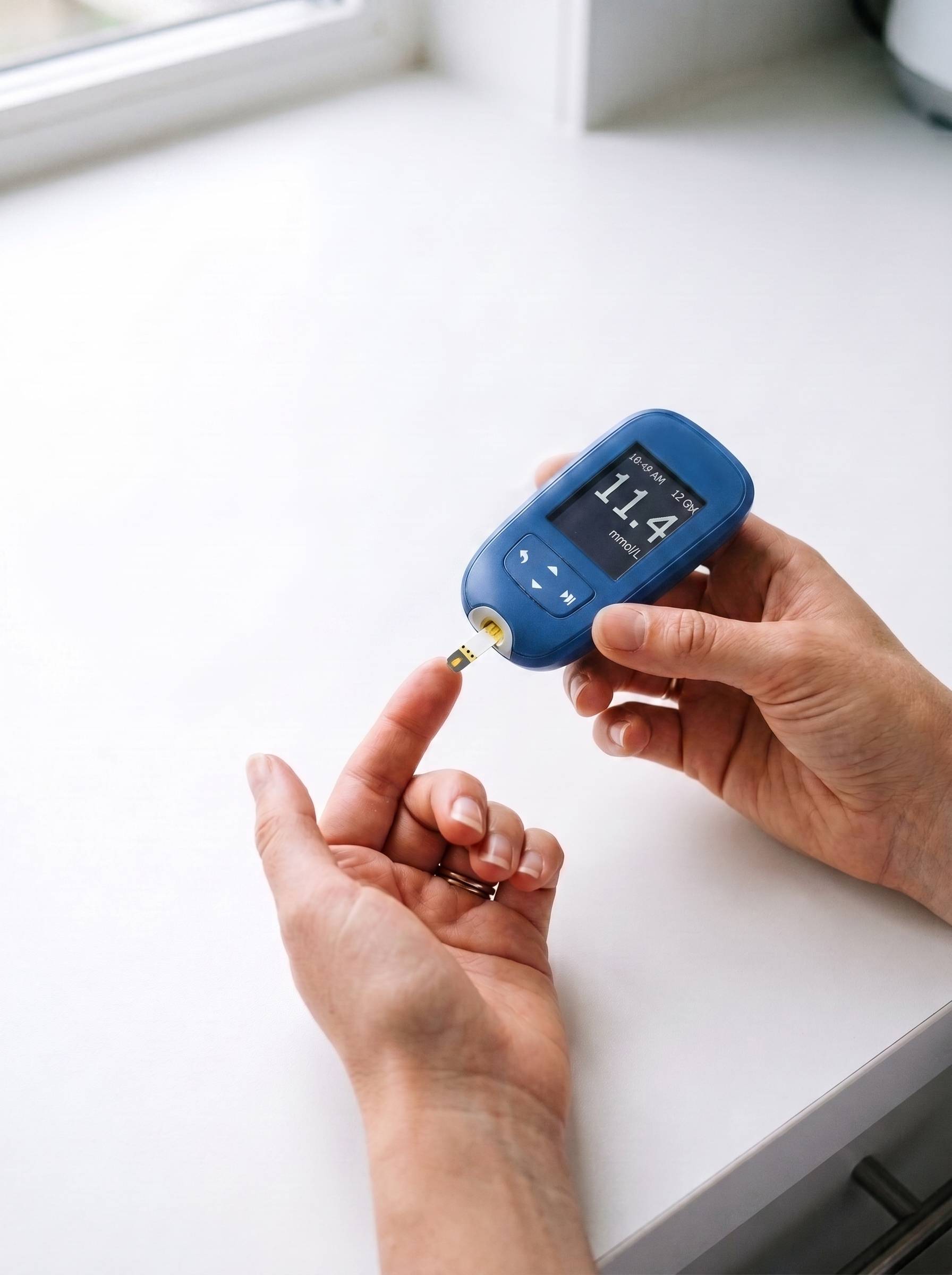
Homeostasis Model Assessment of Insulin Resistance, (Homa IR)
is a calculation used to estimate insulin resistance, a condition where the body’s cells don’t respond well to insulin. It uses two fasting lab values: • Fasting glucose • Fasting insulin This test helps evaluate metabolic health and detect early risk for: • Prediabetes • Type 2 diabetes • Metabolic syndrome
Sexual Transmitted Disease Panel-14 Types- (STI, Genital Ulcer), (PCR)
*STIs - a sexually transmitted infection. This term is used to reference when the possible Pathogen has been initially transferred into the host. (bacterial, viral or parasite). *STDs – a sexually transmitted disease. Occurs as the initial STI. *Transmission: STIS & STDs. Can be transmitted through body Fluids include: - Semen, vaginal fluid, blood or Saliva. Most commonly during sexual acts. *Common STIS /STDS: -Neisseria Gonorrhea, Chlamydia Trachomatis, Herpes Simplex type 1 &2, Mycoplasma hominis, Mycoplasma genitalium, Ureaplasma parvum, Ureaplasma urealyticum, Haemophilus ducreyi, Trichomonas vaginalis, Treponema Pallidum, Cytomegalovirus, Varicella Zoster Virus, Lymphogranuloma Venerum (LGV). ● Left untreated STDs can damage the reproductive System and Create other Serious health risks. You don’t need to do anything to prepare for an STDs test.
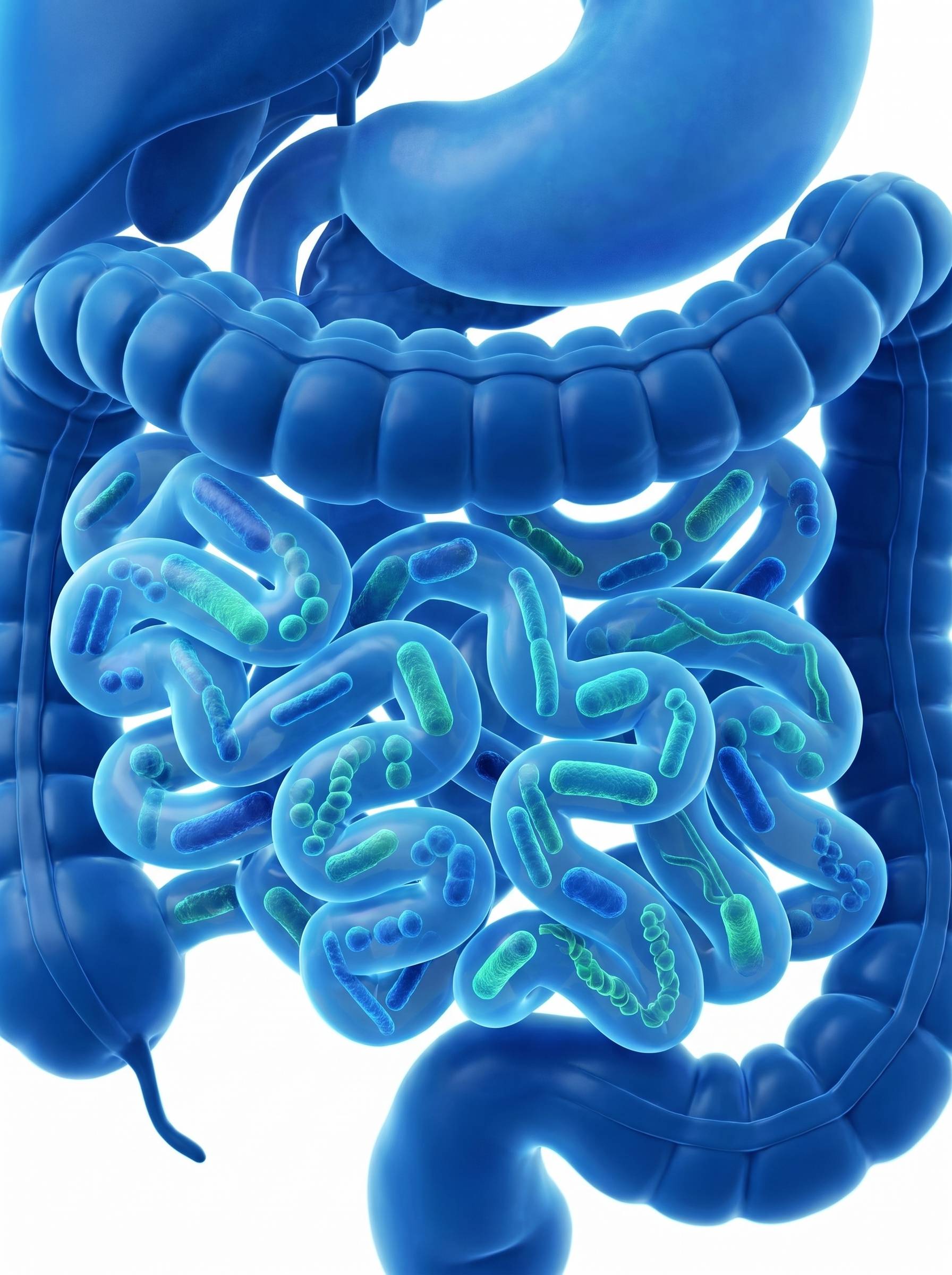
Small Intestinal Bacterial Overgrowth (SIBO) test
What is small intestinal bacterial overgrowth (SIBO)? It is normal to have bacteria in your large intestine, as it helps with the digestion of food. However, if you have too much bacteria in your small intestine, it can interfere with digestion. This is a condition known as small intestinal bacterial overgrowth (SIBO). SIBO can cause a variety of symptoms, including: • bloating • abdominal discomfort • gas (flatulence) • nausea (feeling sick) • diarrhea You will be given the test to use at home. Be sure to follow the instructions provided What is a breath test? A breath test is a non-invasive and safe test used to investigate and diagnose intestinal conditions, such as SIBO. How does a breath test work? Bacteria that live in the small intestine produce gases called hydrogen and methane when they digest sugar. These gases then travel from the small intestine to the lungs, where they are released. A breath test works by measuring the amount of hydrogen and methane that you breathe out over a three-hour period after drinking a mixture of lactulose (a non-digestible sugar) and water. A rapid rise in exhaled hydrogen or methane may mean there is a bacterial overgrowth in your small intestine. Why do I need a breath test? A breath test will allow us to determine whether your symptoms are caused by SIBO. Your doctor will then be able to decide on the best treatment for you.

Inhalant Allergy Panels (IgE)
Inhaled allergens are substances in the environment that, when inhaled, can trigger allergic reactions in individuals who are sensitive to them. These allergens are typically harmless to most people but can cause a range of symptoms and health issues in those with allergies. Common inhaled allergens include pollen, dust mites, pet dander, and mould spores. Understanding these allergens and their effects is so important for people who are more susceptible to reacting. Types of inhaled allergens Pollen Pollen allergies, often referred to as hay fever or allergic rhinitis, are highly seasonal. Pollen is a common inhaled allergen produced by plants for reproduction. Trees, grasses, and weeds release pollen grains into the air, where they can be inhaled by individuals with allergies. Dust mites Dust mites are microscopic insect-like pests that thrive in household dust. They feed on dead skin cells and are commonly found in bedding, carpets, and upholstered furniture. When their faeces and body fragments become airborne, it can trigger a reaction in those who are allergic. Pet dander consists of tiny particles of skin flakes, saliva, and urine from cats, dogs, and other animals with fur or feathers. Pet dander can create an allergic reaction in individuals who are sensitive to it. Mould spores Mould spores thrive in damp and humid environments. They can be found both indoors and outdoors and often grow in places with a lot of moisture, such as around leaks in roofs or windows or where there has been flooding. Inhaling mould spores can lead to various health issues, including allergic reactions, respiratory problems, and fungal infections. How inhaled allergens trigger allergic reactions When inhaled allergens enter the body, the immune system recognises them as foreign invaders and produces antibodies . Allergic reactions specifically trigger an antibody called immunoglobulin E (IgE). 1 The IgE antibodies are triggered when you are first exposed to an allergen release of histamine and other chemicals. Histamine is responsible for many allergy symptoms, such as sneezing, itching, and congestion. Importance of identifying specific allergens Identifying the specific inhaled allergens responsible for an individual's symptoms is crucial for developing an effective allergy management plan. It allows for targeted allergen avoidance and, if necessary, the initiation of allergen-specific treatment . You don’t need to do anything to prepare for the test

Anti-Mullerian Hormone (AMH)
AMH (Anti-Müllerian Hormone) is a crucial marker of a woman's reproductive potential, reflecting the ovarian reserve, fertility treatment response, and overall reproductive lifespan. What AMH Testing Is Used For ✔️ Assessing ovarian reserve AMH gives an idea of how many eggs remain, but not egg quality. ✔️ Predicting response to IVF stimulation Higher AMH often means a stronger response to fertility medications; low AMH may indicate a lower response. ✔️ Diagnosing certain conditions • PCOS: AMH is often higher than average because of many small follicles. • Primary ovarian insufficiency: AMH is often low. ✔️ Evaluating puberty or reproductive development AMH plays a role in fetal development and can help assess disorders of sex development in children. . Studies have found that women with high AMH levels have about a 60% higher risk of developing breast cancer compared to their peers with low AMH levels. How the Test Is Done: • Simple blood draw You can have an AMH test at any point during your menstrual cycle. Unlike other reproductive hormones, AMH doesn’t fluctuate much throughout the month. You don’t need to do anything to prepare for an AMH test.

Advanced NIPT
1) What Is Advanced NIPT? Advanced NIPT is an enhanced version of the basic NIPT test. It analyzes cell‑free fetal DNA (cffDNA) in maternal blood using higher sequencing depth and advanced bioinformatics to detect a wider range of genetic abnormalities. It includes all basic NIPT targets plus additional chromosomal and genomic abnormalities. 2) What Advanced NIPT Screens For A) Rare Autosomal Trisomies (RATs) These are trisomies other than 21, 18, and 13. Examples: Trisomy 9 Trisomy 16 Trisomy 22 Many RATs are associated with confined placental mosaicism, fetal growth restriction, or pregnancy complications. B) Microdeletions & Microduplications Advanced NIPT can detect clinically significant copy number variations .Common microdeletion syndromes include: 22q11.2 deletion (DiGeorge syndrome) 1p36 deletion syndrome 5p deletion (Cri‑du‑chat syndrome) 15q11‑q13 deletion (Prader‑Willi / Angelman) 4p deletion (Wolf‑Hirschhorn syndrome) These conditions often cause congenital anomalies, developmental delay, and cardiac defects. C) Fetal Sex & Sex Chromosome Abnormalities Included in most advanced panels: Turner syndrome (45,X) Klinefelter syndrome (47,XXY) Triple X, XYY 3) Clinical Importance of Advanced NIPT ✔ 1) Broader Genetic Coverage Detects abnormalities not included in basic NIPT, providing a more comprehensive fetal genetic assessment. ✔ 2) Useful When Ultrasound Shows Abnormal Findings If ultrasound reveals: Cardiac defects Increased nuchal translucency Structural anomalies Advanced NIPT helps identify underlying genetic causes. ✔ 3) Helpful for High‑Risk Pregnancies Recommended for: Previous pregnancy with chromosomal abnormalities Family history of genetic disorders IVF pregnancies Advanced maternal age Abnormal biochemical screening ✔ 4) Early Detection of Serious Genetic Syndromes Microdeletions often have significant clinical consequences. Early detection allows: Early fetal echocardiography Maternal‑fetal medicine referral Planning for neonatal care It is screening not diagnostic test.so, positive results must be confirmed with: CVS (Chorionic Villus Sampling) Amniocentesis When can you do advanced NIPT ? Can be performed from 12 weeks

Non Invasive Prenatal Test (NIPT BASIC)
Non‑Invasive Prenatal Testing (NIPT) is a screening test that analyzes cell‑free fetal DNA (cffDNA) circulating in the mother’s blood to detect chromosomal abnormalities in the fetus. It is performed from 10 weeks of pregnancy fo and is completely safe for both mother and baby. What NIPT Screens For 1) Common Trisomies Trisomy 21 – Down syndrome Trisomy 18 – Edwards syndrome Trisomy 13 – Patau syndrome 2) Sex Chromosome Abnormalities Turner syndrome (45,X) Klinefelter syndrome (47,XXY) Triple X, XYY Why NIPT Is Important NIPT has become the most accurate and preferred prenatal screening test worldwide because of its clinical advantages: ✔ 1) High Accuracy Sensitivity for Down syndrome: >99% Very low false‑positive rate More accurate than traditional first‑trimester screening ✔ 2) Completely Safe Only requires a simple maternal blood sample No risk of miscarriage No invasive procedures ✔ 3) Early Detection Can be performed from 10 weeks Allows early decision‑making and follow‑up ✔ 4) Suitable for All Pregnancies Low‑risk and high‑risk pregnancies IVF pregnancies Twin pregnancies (depending on the test) ✔ 5) Helps Guide Clinical Management Positive results allow early referral to maternal‑fetal medicine Helps plan diagnostic testing (CVS or amniocentesis) Supports early intervention and monitoring When should the NIPT test be done in pregnancy? NIPT testing can be done as early as 10 weeks of pregnancy through delivery.

Food Allergy Panels-IgE
A food allergy occurs when the immune system overreacts to a food as if it were harmful. Food allergy symptoms usually appear within minutes to two hours after eating the trigger food. most common food allergens are milk, egg, peanut, tree nuts, soy, wheat, fish, shellfish and sesame. Family history appears to play a role in whether someone develops a food allergy. If you have other kinds of allergic reactions, like eczema or hay fever, you have a greater risk of food allergy. This is also true of asthma. Food allergies are not the same as food intolerances, and food allergy symptoms overlap with symptoms of other medical conditions. It is therefore important to have your food allergy confirmed by an appropriate evaluation with an allergist. Food allergy may occur in response to any food, and some people are allergic to more than one food. Food allergies may start in childhood or as an adult. Food allergy reactions can vary unpredictably from mild to severe. Mild food allergy reactions may involve only a few hives or minor abdominal pain, though some food allergy reactions progress to severe anaphylaxis with low blood pressure and loss of consciousness. You don’t need to do anything to prepare for the test.

Food Intolerance -IgG (Food IgG)
Food intolerance happens when your digestive system has difficulty processing a certain food. It is not an immune reaction, and symptoms are uncomfortable but not dangerous. symptoms usually appear a few hours after eating the trigger food: Diarrhea, Bloating , Excess gas / farting ,Tummy pain or cramping . Blood testing for food intolerances measures the amount of immunoglobulin G (IgG) specific to certain food components in your blood. IgG is a type of antibody that triggers a delayed immune response (as opposed to an allergic reaction). IgG levels can be measured specific to certain kinds of food. Elevated levels suggest that your body recognizes those foods as a threat and causes intolerance. While food intolerance doesn’t pose an immediate life-threatening risk like food allergies, it can significantly affect your daily life and overall well-being. That’s why it’s important to identify the specific foods that trigger your symptoms, and food intolerance testing can be an essential tool in this process. You don’t need to do anything to prepare for the test.
Human Papilloma Virus (HPV) (PCR)
It is the name for more than 200 Genotypes that infect humans. It is one of the most common sexually transmitted infection. *There are 2 types: 1- Low risk genotypes that cause warts (genital, hand and Plantar) 2- High-risk genotypes (14 types) that cause Cancer. 16-18 genotypes are the most carcinogenic types that associated with 70% of all Cervical Cancer. *HPV Can Cause Cancer of (Cervix - Vulva - Vagina - Penis & Oro Pharyngeal Cancer). ✓ How it spreads? Skin to skin contact (commonly sexually transmitted) - Many People don't show Symptoms. - Some may develop genital warts or common warts e.g (hand warts & plantar warts). - High risk. HPV Genotypes may develop Cancer.so screening is important for early detection. HPV-DNA detection by PCR: - It is a standard noninvasive method for detection of HPV infection. So, it Can assist in the appropriate follow up testing and triaging Women at risk for Progression to Cervical Cancer. * It is important for women to know that HPV can Put them at risk in ways they may not have realized. So, Regular Screening is important you will be given the test to use at home. Be sure to follow the instructions provided
Calprotectin
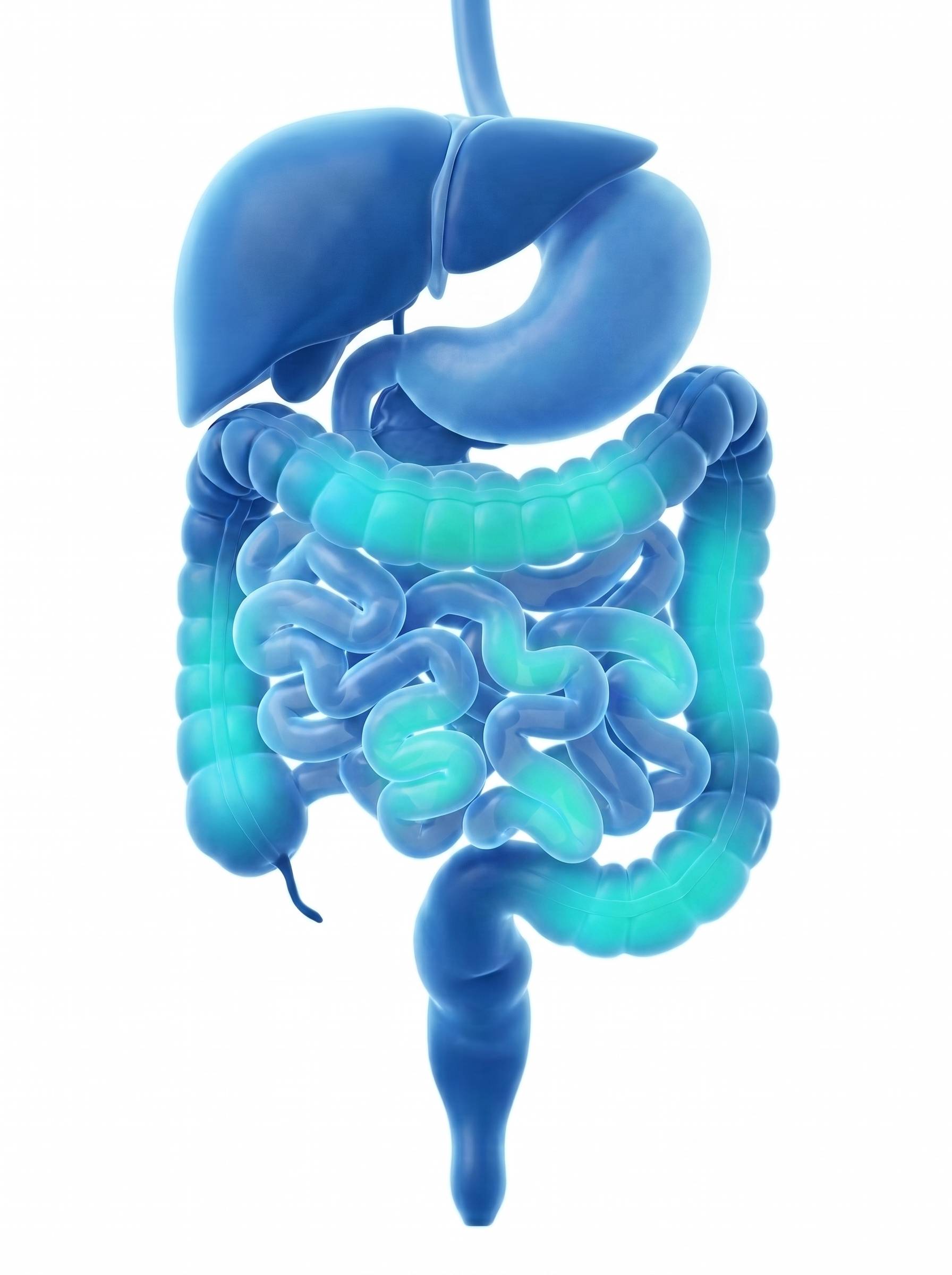
A calprotectin stool test measures a protein called calprotectin in a sample of your stool .The test is also called a fecal calprotectin test. It's used to check for inflammation (swelling and irritation) in your intestines. It's normal to have a small amount of calprotectin in your stool. But high levels are a sign that your intestines are inflamed. When you have inflammation in your intestines, your immune system sends certain types of white blood cells (neutrophils) to the inflamed area. These white blood cells release calprotectin into your intestines where it mixes with your stool. Inflammation in your intestines can cause severe watery or bloody diarrhea with abdominal pain and/or cramping that last for more than a few days. Other types of digestive conditions can also cause these symptoms. If these symptoms last a long time or come and go, it's important to know if your intestines are inflamed. That's because inflammation can damage the lining of your intestines and lead to other serious health conditions over time. A calprotectin test can find out whether your intestinal condition involves inflammation. But it can't diagnose the specific cause. Knowing whether your intestines are inflamed helps your health care provider decide what other tests you may need and what treatments are best for you. fecal Calprotectin concentrations are significantly elevated in patients with IBD, patients suffering from IBS do not have increased Calprotectin levels. Such increased levels are shown to correlate well with both endoscopic and histological assessment of disease activity. Fecal Calprotectin is used to help differentiate between IBS and IBD. It is also used to assess the efficacy of treatment and predict the risk of flare-ups in IBD patients.
Fecal Immunochemical Test (FIT)
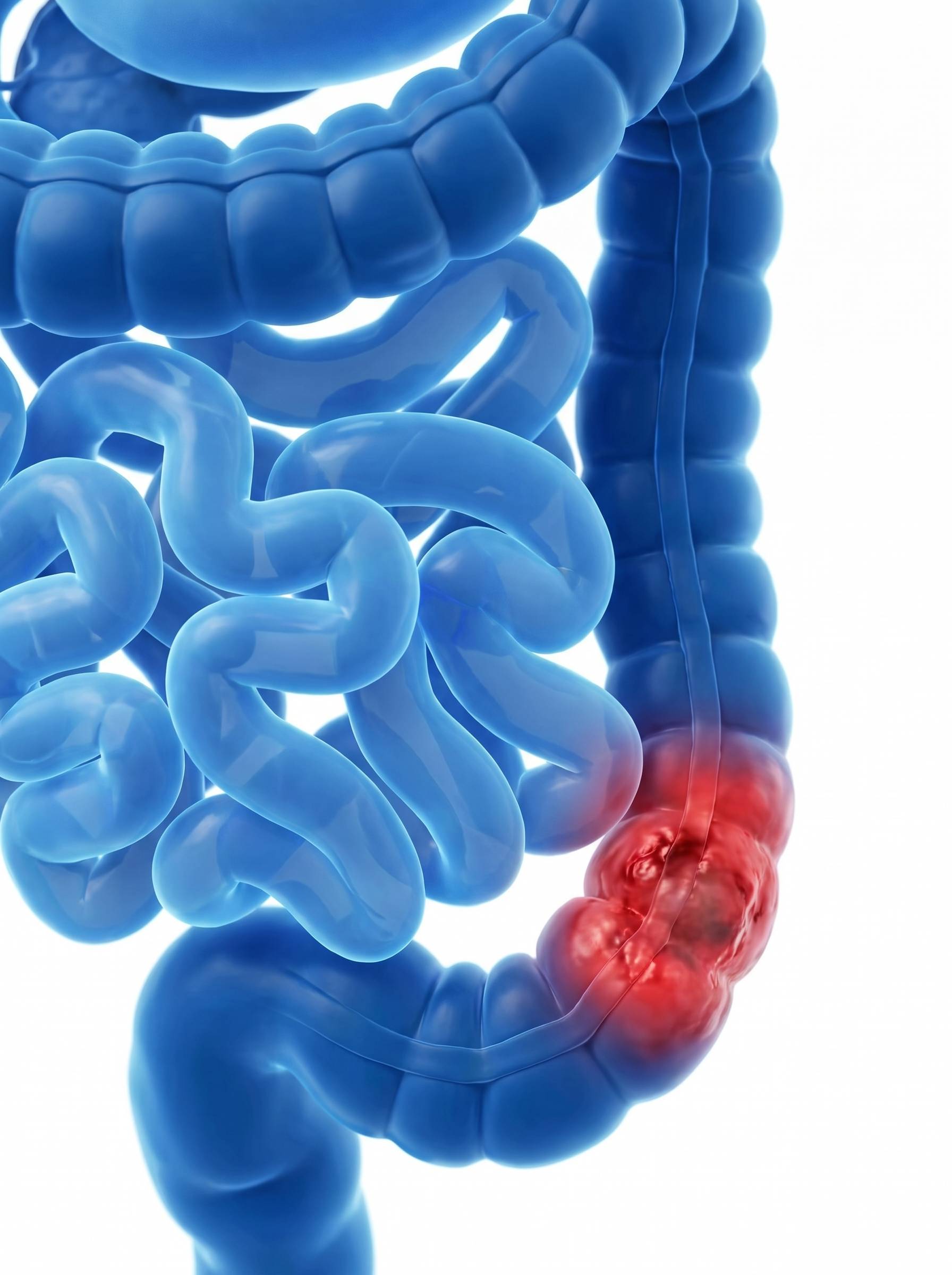
The fecal immunochemical test (FIT) is used as a screening test for colon cancer. It tests for hidden blood in the stool, which can be an early sign of cancer. FIT only detects human blood from the lower intestines. Medicines and food do not interfere with the test. Therefore, it tends to be more accurate and have fewer false positive results than other tests. For colon cancer screening, you will be given the test to use at home. Be sure to follow the instructions provided How to Prepare for the Test? You do not need to do anything to prepare for the test. A normal result means the test did not detect any blood in the stool. However, because cancers in the colon may not always bleed, you may need to do the test a few times to confirm that there is no blood in your stool. If the FIT results come back positive for blood in the stool, your provider will want to perform other tests, usually including a colonoscopy. The FIT test does not diagnose cancer. Screening tests such as a sigmoidoscopy or colonoscopy can also help detect cancer. Both the FIT test and other screenings can catch colon cancer early, when it is easier to treat. There are no risks from using the FIT.
Urea Breath Test (UBT)
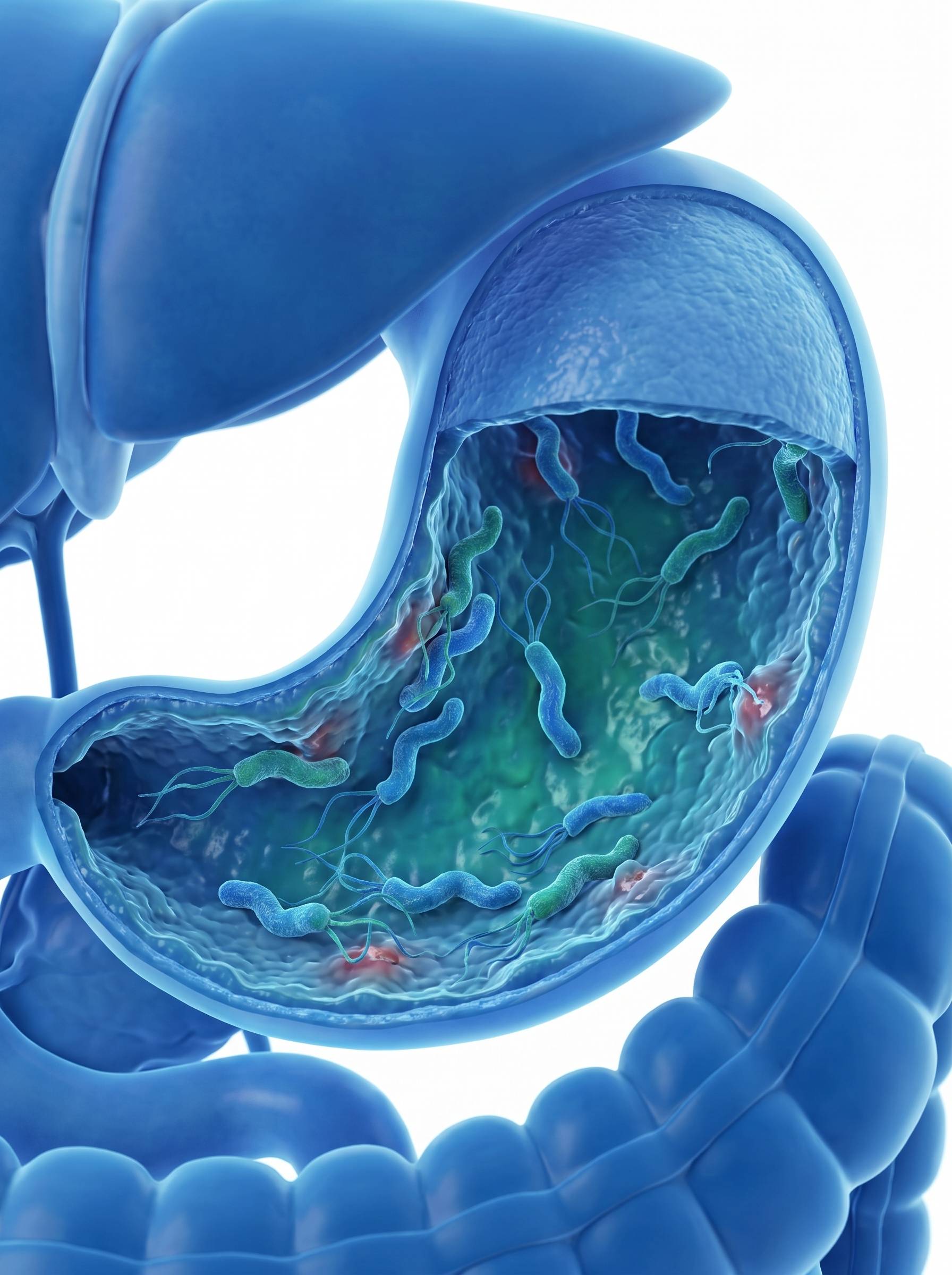
A urea breath test is one of the most accurate, non‑invasive ways to detect Helicobacter pylori (H. pylori), the bacteria that causes most stomach ulcers. H. pylori produce urease, an enzyme that breaks down urea into ammonia and carbon dioxide. The test measures CO₂ in your breath after you swallow a urea capsule. You will be given the test to use at home. Be sure to follow the instructions provided How are the results of the urea breath test interpreted? If the urea breath test is positive and the isotopic carbon is detected in the breath, it means that H. pylori is present in the stomach. If the isotope is not found in the breath, the test results are negative for the infection. When H. pylori is effectively treated by antibiotics, the test changes from positive (isotope present) to negative (isotope absent). There are no side effects, risks, or complications of the urea breath test Doctors will recommend UBT if you have the following symptoms. : Persistent stomach pain or indigestion • Suspected gastric or duodenal ulcers • Chronic gastritis • To confirm that H. pylori treatment was successful
Make sense of the latest health science
Our weekly Research Roundup newsletter breaks down a new study or dives deep into a health topic. No jargon, no hype, just what is worth knowing.
Accreditation
All our partner labs hold UKAS, ISO17025/ ISO15189 accreditations.
Selfwell Plus has achieved ISO13485 certification by notified body BSI.
Secure payment


© 2026 Selfwell Plus. All rights reserved. © 2026 Selfwell Plus. All rights reserved.