Inhalant Allergy Panels (IgE)
Test Details

About the test
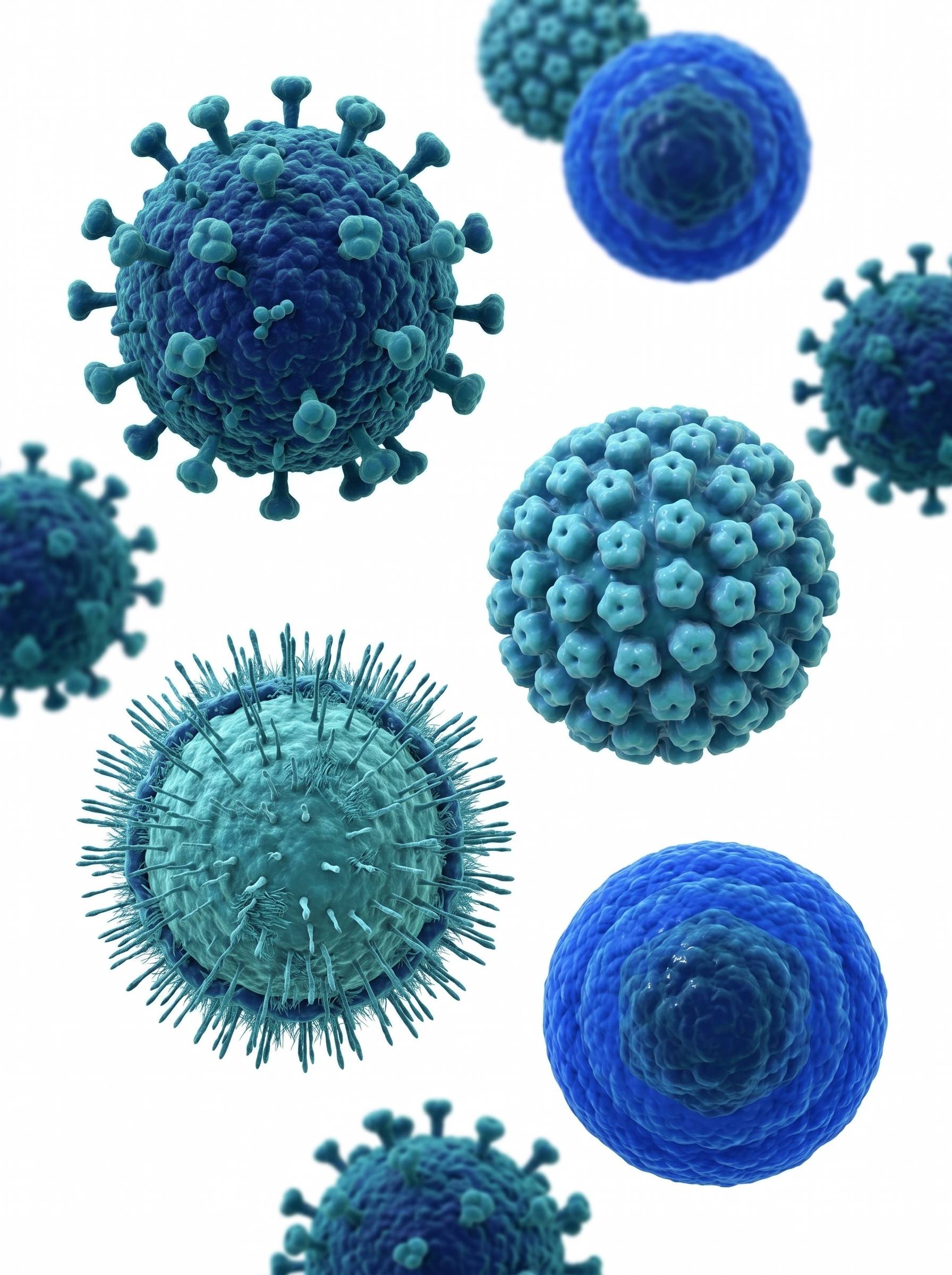
Inhaled allergens are substances in the environment that, when inhaled, can trigger allergic reactions in individuals who are sensitive to them. These allergens are typically harmless to most people but can cause a range of symptoms and health issues in those with allergies. Common inhaled allergens include pollen, dust mites, pet dander, and mould spores. Understanding these allergens and their effects is so important for people who are more susceptible to reacting.
Types of inhaled allergens
Pollen
Pollen allergies, often referred to as hay fever or allergic rhinitis, are
highly seasonal. Pollen is a common inhaled allergen produced by
plants for reproduction. Trees, grasses, and weeds release pollen
grains into the air, where they can be inhaled by individuals with
allergies.
Dust mites
Dust mites are microscopic insect-like pests that thrive in household dust. They feed on dead skin cells and are commonly found in bedding, carpets, and upholstered furniture. When their faeces and body fragments become airborne, it can trigger a reaction in those who are allergic.
Pet dander
consists of tiny particles of skin flakes, saliva, and urine from cats, dogs, and other animals with fur or feathers.
Pet dander can create an allergic reaction in individuals who are sensitive to it.
Mould spores
Mould spores thrive in damp and humid environments. They can be found both indoors and outdoors and often grow in places with a lot of moisture, such as around leaks in roofs or windows or where there has been flooding. Inhaling mould spores can lead to various health issues, including allergic reactions, respiratory problems, and fungal infections.
How inhaled allergens trigger allergic reactions
When inhaled allergens enter the body, the immune system recognises them as foreign invaders and produces antibodies . Allergic reactions specifically trigger an antibody called immunoglobulin E (IgE). 1
The IgE antibodies are triggered when you are first exposed to an allergen release of histamine and other chemicals. Histamine is responsible for many allergy symptoms, such as sneezing, itching, and congestion.
Importance of identifying specific allergens
Identifying the specific inhaled allergens responsible for an individual's
symptoms is crucial for developing an effective allergy management
plan. It allows for targeted allergen avoidance and, if necessary, the
initiation of allergen-specific treatment .
You don’t need to do anything to prepare for the test
Medical-grade accuracy
Lab-certified testing standards
Easy to use at home
Simple collection process
Fast results delivery
Get results in 24-48 hours
Complete Confidentiality
100% confidential results
Lab Quality
Professional-grade testing
Customer Reviews
Excellent product! Results were accurate and delivered quickly.
Very professional service. Highly recommend!
Good quality test. Easy to use at home.