
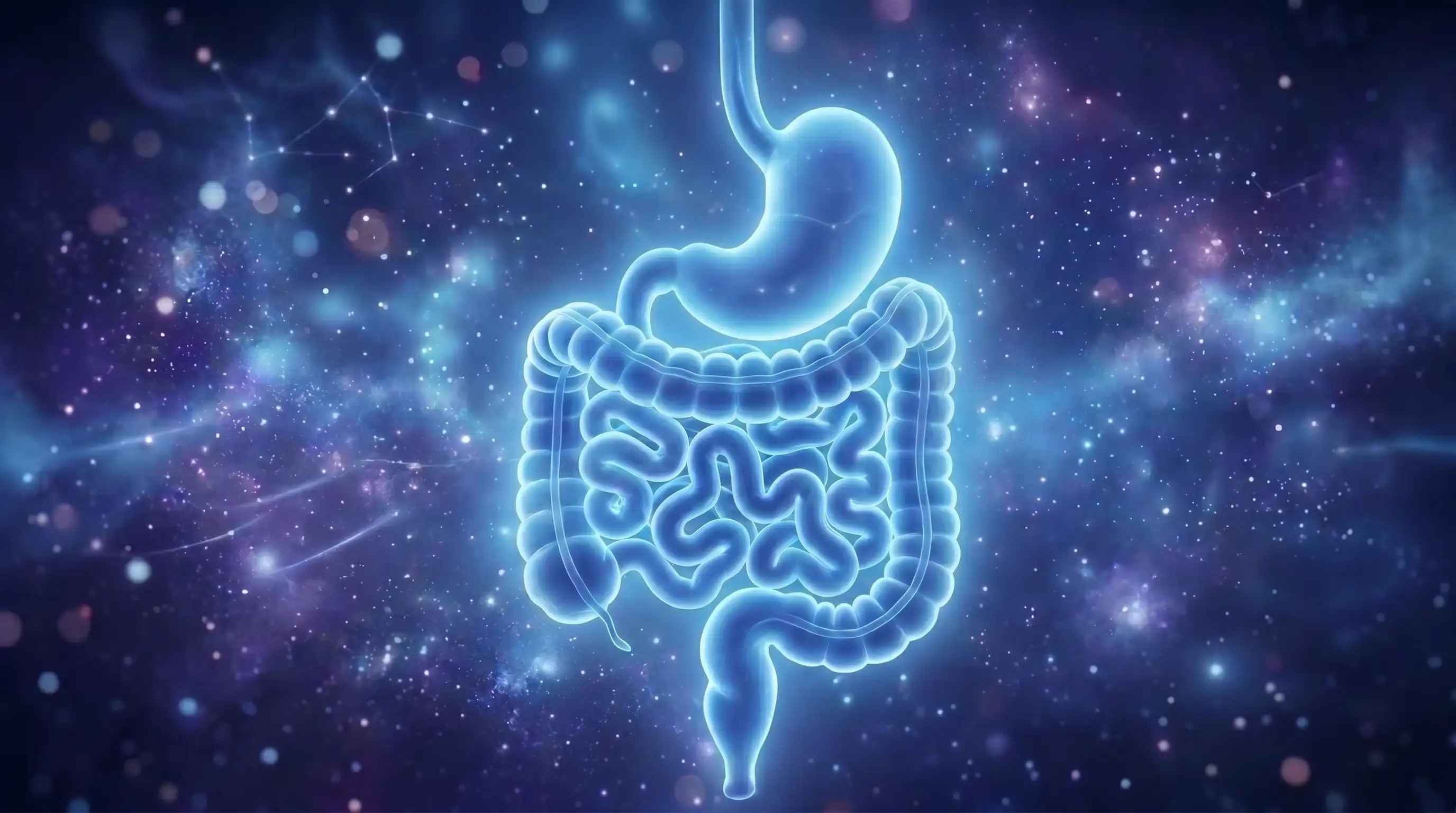
Gut Health
Gut investigations are essential because they help uncover the root causes of digestive symptoms, detect serious diseases early, and guide effective treatment. They provide objective insight into how well the gastrointestinal system is functioning at every level—from digestion and absorption to inflammation, infection, and structural abnormalities.
HELPS FOR:
1. Early Detection of GI Diseases
Gut tests help identify conditions before they become severe.
2. Understanding Digestive Symptoms
Many gut symptoms—bloating, pain, diarrhea, constipation—have overlapping causes.
• Diagnostic procedures help determine whether symptoms stem from IBS, IBD, SIBO, food intolerances, or other disorders.
3. Identifying Infections and Microbial Imbalances
The gut microbiome plays a major role in health.
• Gut tests can detect bacterial overgrowth, parasitic infections, and dysbiosis, which may contribute to chronic digestive issues
4. Guiding Personalized Treatment
Accurate diagnosis leads to targeted therapy.
• Whether the issue is inflammation, infection, malabsorption, or structural disease, gut investigations help clinicians choose the right treatment plan.
• They also help monitor disease progression and treatment response.
When Should Someone Consider Gut Investigations?
• Persistent abdominal pain
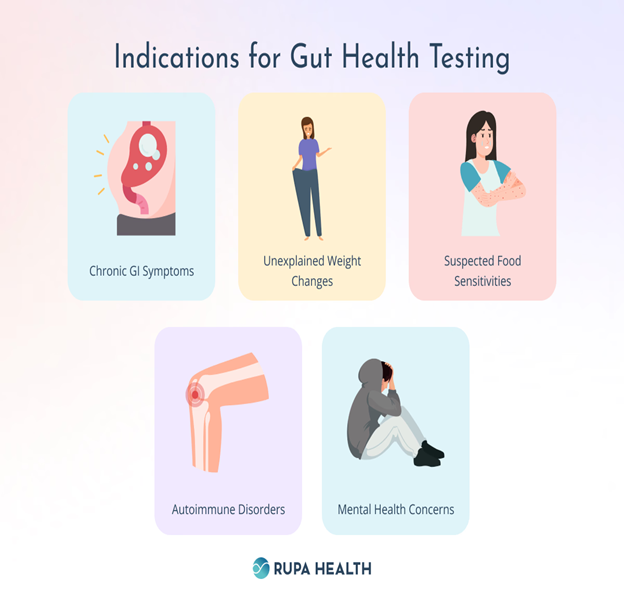
• Chronic diarrhea or constipation
• Unexplained weight loss
• Blood in stool
• Severe bloating or gas
• Difficulty swallowing
• Suspected food intolerances
• Family history of GI diseases


